The link between what you eat and how you feel is real and increasingly well studied, though it's often oversimplified online. Food isn't a cure for mental health conditions, but steady, nourishing eating genuinely supports mood, energy and resilience. Here's what a dietitian considers solid. This is general education and not a substitute for mental-health care. If you're struggling, please reach out to a healthcare professional.
The gut-brain connection, briefly
Your gut and brain are in constant two-way communication. A few mechanisms explain why eating patterns can nudge mood.
Blood sugar swings
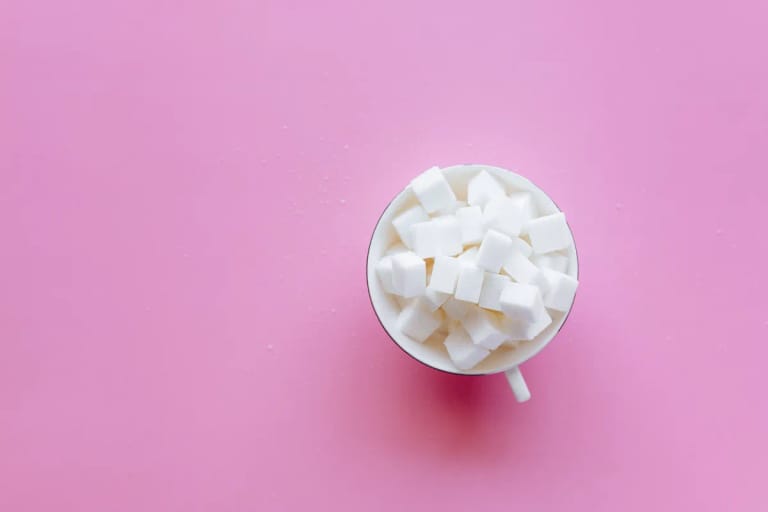
Meals heavy in refined carbs with little protein cause blood sugar spikes and crashes that can show up as irritability, low energy and difficulty concentrating. Balanced meals smooth that out.
The gut microbiome
The bacteria in your gut help produce and regulate chemical messengers involved in mood, and they thrive on fibre and varied plants. A well-fed microbiome is part of the food-mood picture.
Key nutrients
Omega-3 fats, B vitamins, iron, vitamin D and others are involved in brain function, and deficiencies can affect mood and energy. That's another reason a varied, adequate diet matters.
A common food-and-mood myth
The evidence links overall eating patterns, like a Mediterranean-style, mostly-whole-foods diet, with better mood outcomes, but food works alongside therapy, medication and other support, not instead of them. Be wary of anything claiming a single food or supplement fixes mental health.
Eating habits that support mood and energy
These are the practical, evidence-aligned habits. They're meant to be gentle and sustainable, not another set of rigid rules.
- Eat regularly. Going long stretches without food drops blood sugar and can tank mood and focus. Regular balanced meals keep you steadier.
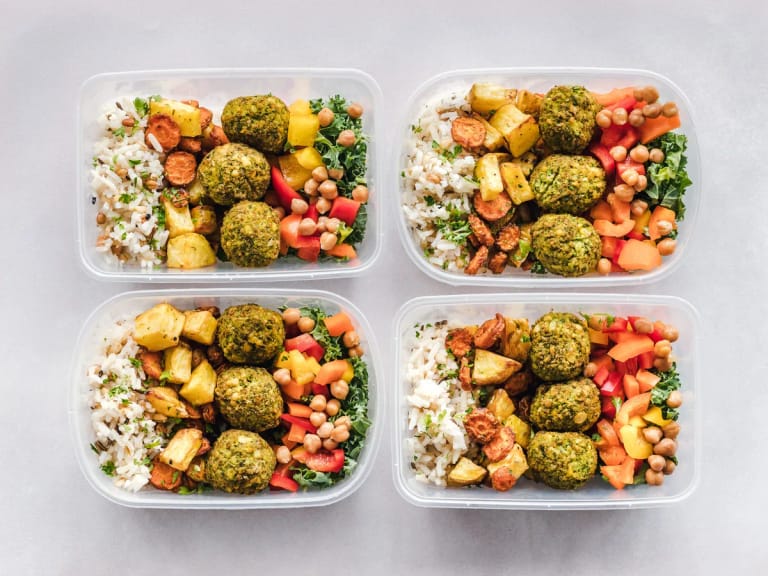
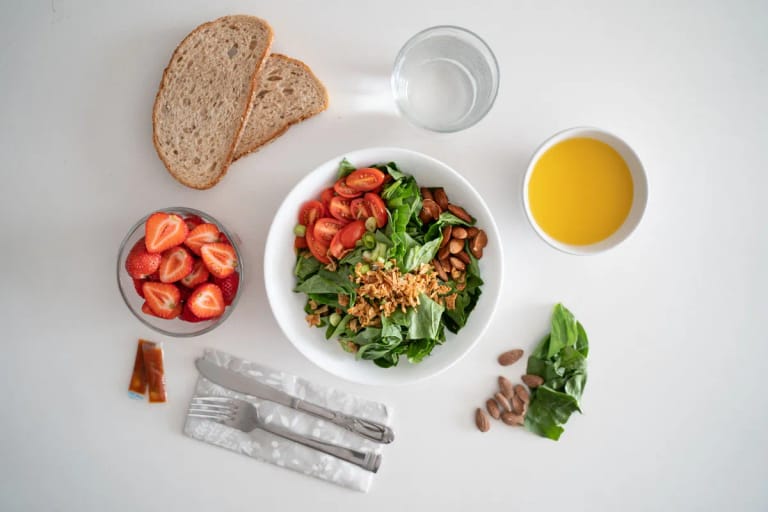
- Build balanced plates. Protein, fibre-rich carbs and healthy fats together prevent the spike-and-crash that mimics mood swings.
- Feed your gut. A variety of plants, fibre and fermented foods (yogurt, kefir, kimchi) support a healthy microbiome.
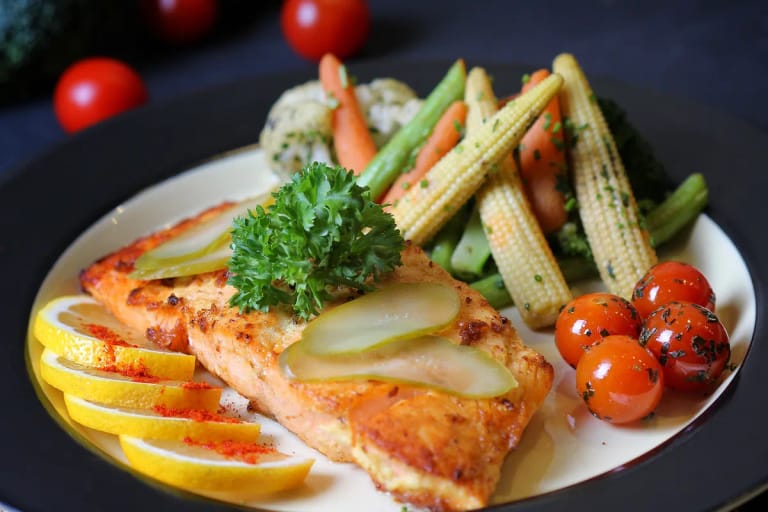
- Include omega-3s. Fatty fish, walnuts and flax support brain health.
- Mind caffeine and alcohol. Both can worsen anxiety and disrupt sleep, which feeds back into mood.
- Don't aim for perfect. An all-or-nothing approach to 'clean eating' can itself harm your relationship with food and your mood. Consistency beats perfection.
Common questions
- Can food really affect your mood?
- Yes, in meaningful ways. Blood sugar swings from unbalanced meals can affect energy and irritability, the gut microbiome influences mood-related chemistry, and certain nutrients support brain function. Overall eating patterns are linked with mood, though food supports mental wellbeing rather than curing mental health conditions.
- What foods are good for mental health?
- There's no single 'mood food,' but patterns rich in vegetables, fruit, whole grains, legumes, fish, nuts and healthy fats, a Mediterranean-style diet, are most consistently linked with better mood. Fermented foods and a variety of fibre support the gut microbiome, which is part of the picture.
- Does sugar affect mood?
- Indirectly, yes. Sugary foods eaten on their own cause blood sugar to spike and then crash, which can show up as low energy, irritability and difficulty concentrating. Pairing carbohydrates with protein and fibre, and not relying on sugar for energy, keeps things steadier.
- Can a dietitian help with food and mood?
- Yes. A registered dietitian can help you build steady, balanced eating habits that support energy and mood, address any nutrient gaps, and improve your relationship with food, working alongside, not replacing, your mental-health care. If you'd like support, you can book a consultation with our team.
Want personalized advice?
Speak to a registered dietitian about your own situation — your first consultation is free.
Speak to a dietitian for freeYour first consultation is on us.
From your dietitianFood isn't a cure for mental health, but regular, balanced, varied meals genuinely support steadier energy and mood.
Rana Daoud, R.D.