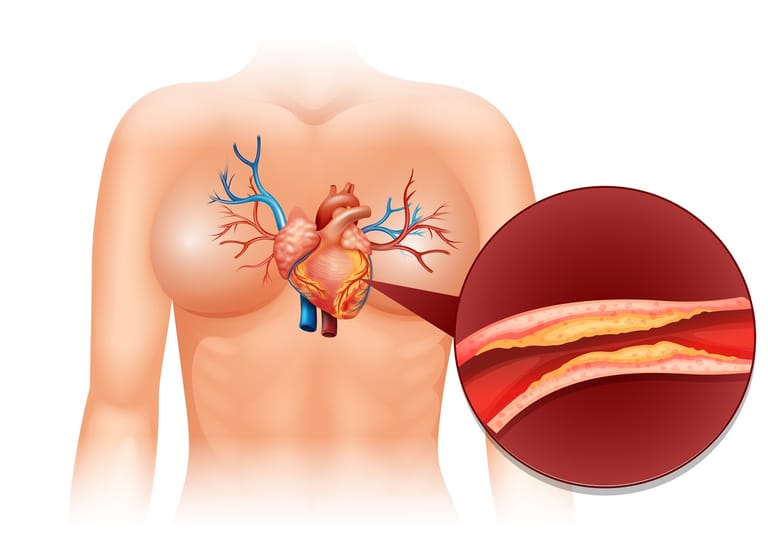
If your last blood test flagged high cholesterol, food is one of your best tools, and a few targeted changes can make a real difference. The trick is knowing which changes actually move the numbers, because a lot of common advice is outdated. Here's what a dietitian focuses on. This is general education, not individual medical advice, so work with your doctor and dietitian on your own plan.
What 'high cholesterol' actually means
Cholesterol isn't one number. Your blood test usually reports a few, and diet affects them differently.
LDL (the one to lower)
Often called 'bad' cholesterol, high LDL is the main driver of cardiovascular risk. This is the number most diet changes aim to bring down.
HDL and triglycerides
HDL ('good' cholesterol) is protective; triglycerides are a separate blood fat affected strongly by refined carbs, alcohol and excess weight. The full picture matters more than any single number.
Diet vs. genetics
Food matters, but genetics also play a large role, and some people need medication even with an excellent diet. Diet and medication work together rather than being either/or.
The food changes that actually help
These are the evidence-based moves that lower LDL cholesterol. You don't need all of them; stacking a few makes the difference.
- Eat more soluble fibre. Oats, barley, beans, lentils, apples and psyllium bind cholesterol and lower LDL. Aim to work some in daily.
- Swap saturated for unsaturated fats. Use olive and canola oil, nuts, seeds and avocado in place of butter, and limit fatty processed meats.
- Add fatty fish. Salmon, trout and sardines twice a week support heart health through omega-3s.
- Choose whole grains. Replacing refined grains with whole ones helps both cholesterol and triglycerides.
- Lean on plants. Beans, lentils, nuts and soy foods in place of some meat lower LDL and add fibre.
- Watch added sugar and alcohol. Both raise triglycerides, the blood fat that often travels with high cholesterol.
The egg myth
Decades of research shifted the focus from dietary cholesterol (in eggs and shellfish) to saturated and trans fats, which raise LDL far more. If you have a condition like diabetes, your dietitian may give you tailored guidance, but for most people, eggs aren't the problem.
Common questions
- What foods lower cholesterol the most?
- Foods rich in soluble fibre, like oats, barley, beans, lentils, apples and psyllium, are among the most effective, because soluble fibre binds cholesterol so less is absorbed. Swapping saturated fats (butter, fatty meats) for unsaturated ones (olive oil, nuts, avocado) and eating fatty fish also lower LDL cholesterol.
- Can I lower cholesterol without medication?
- Many people lower their cholesterol meaningfully with diet and lifestyle changes, especially when LDL is only mildly elevated. But genetics play a big role, and some people need medication even with an excellent diet. Diet and medication work together, and your doctor and dietitian can help you find the right combination.
- Are eggs bad for cholesterol?
- For most people, no. The cholesterol in food has a much smaller effect on blood cholesterol than saturated and trans fats do, so eggs can fit in a heart-healthy diet. People with certain conditions may get individualized advice from their dietitian.
- How long does it take for diet to lower cholesterol?
- With consistent changes, improvements in LDL cholesterol often show up within a few weeks to a few months. A repeat blood test, usually after about three months, is the best way to see how your changes are working.
Want personalized advice?
Speak to a registered dietitian about your own situation — your first consultation is free.
Speak to a dietitian for freeYour first consultation is on us.
From your dietitianLowering cholesterol with food doesn't mean cutting everything out. It's a few consistent swaps, led by more fibre and better fats.
Rana Daoud, R.D.