Cholesterol gets most of the attention, but your heart cares about a bigger picture, especially blood pressure, which is one of the most important and most manageable risk factors there is. The good news is that the same overall way of eating helps with both. Here's a dietitian's view of heart-healthy eating beyond cholesterol. This is general education, not individual medical advice. For targets and any medication, work with your doctor, and a dietitian can build the eating plan.
What your heart actually responds to
Heart health comes down to several factors at once. Food influences most of them, which is why your overall pattern matters more than any single 'good' or 'bad' food.
Blood pressure is a big one
high blood pressure quietly strains your heart and arteries. Diet has a real effect, especially cutting excess sodium and eating more potassium-rich vegetables, fruit and legumes.
The whole pattern matters more than one food
no single food makes or breaks heart health. Patterns rich in vegetables, fruit, whole grains, legumes, nuts, fish and healthy fats, like the Mediterranean and DASH approaches, consistently support the heart.
Fats: quality over fear
swapping some saturated fat (fatty meats, butter) for unsaturated fats (olive oil, nuts, fish) supports both cholesterol and overall heart health. The goal is better fats, not no fat.
Fibre does quiet work
fibre from oats, legumes, vegetables and whole grains supports cholesterol and helps you feel full. It's a steady, underrated heart helper.
Eating for a healthier heart and blood pressure
Practical, everyday shifts, no extreme diet required.
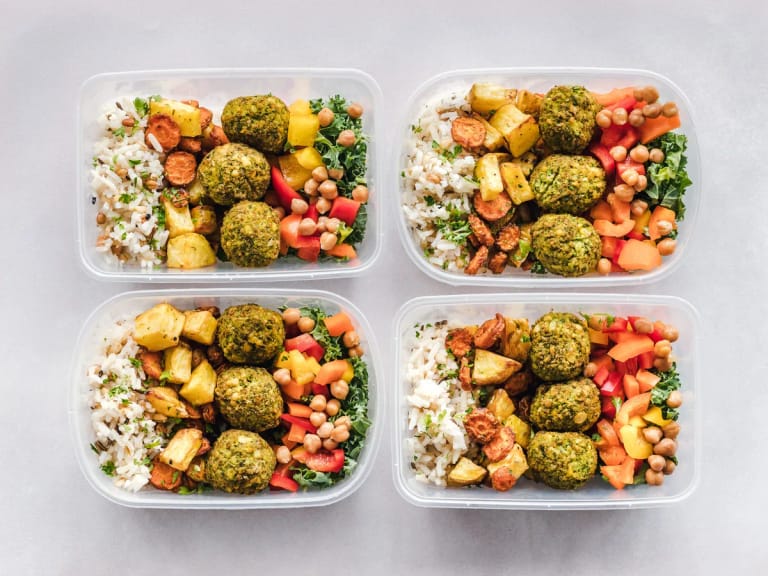
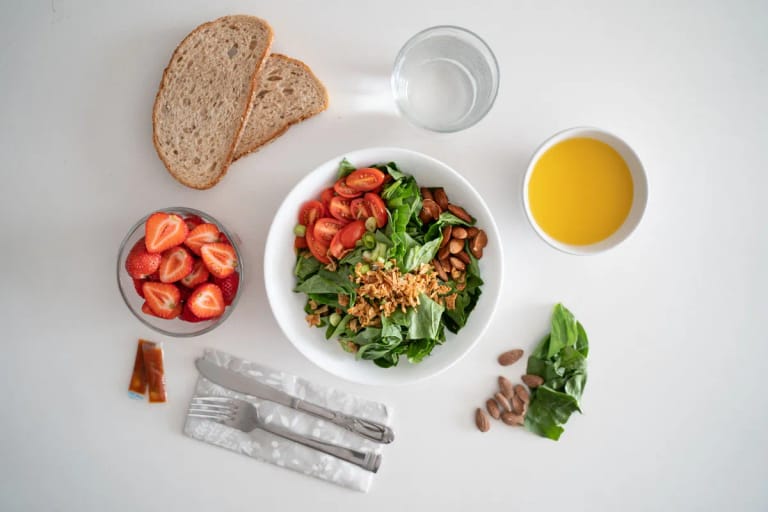
- Fill half your plate with vegetables and fruit. They bring potassium and fibre that support healthy blood pressure.
- Watch sodium, especially the hidden kind. Most sodium comes from packaged and restaurant food, not the salt shaker. Cooking more at home is the biggest lever.
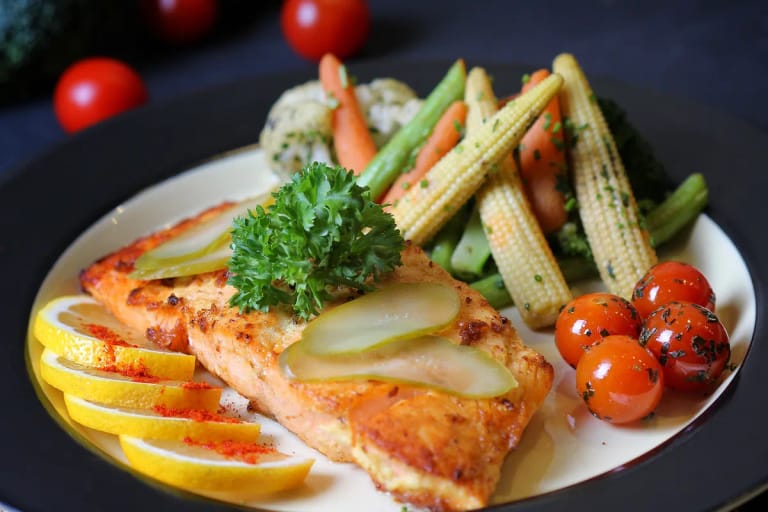
- Choose better fats. Olive oil, nuts, seeds, avocado and fish over butter and fatty processed meats.
- Make grains whole. Oats, brown rice, whole-grain bread and barley add fibre that supports cholesterol.
- Lean on legumes and fish. Beans, lentils and fatty fish (like salmon) a couple of times a week are heart-friendly protein swaps.
- Go easy on ultra-processed foods. They're the main source of excess sodium, refined carbs and less helpful fats.
Salt and blood pressure
The table salt you add is usually a small slice of total sodium. Cutting back meaningfully means looking at processed and restaurant foods, reading labels, and cooking more at home where you control the amount. Herbs, spices, citrus and garlic add flavour without the sodium.
Common questions
- What's the best diet for heart health?
- There's no single magic diet, but the patterns with the strongest evidence (like the Mediterranean and DASH approaches) share the same core: lots of vegetables, fruit, whole grains, legumes, nuts, fish and healthy fats, with less sodium, ultra-processed food and excess saturated fat. It's the overall pattern that protects your heart, not any one food.
- How does food affect blood pressure?
- Diet has a real impact on blood pressure. Eating more potassium-rich vegetables, fruit and legumes and cutting back on sodium (most of which comes from packaged and restaurant foods) can help. A dietitian can tailor this to you, alongside any treatment your doctor recommends.
- How do I actually cut down on sodium?
- Focus on the biggest sources: packaged foods (breads, deli meats, sauces, soups, snacks) and restaurant meals, not just the salt shaker. Read labels, cook more at home where you control the salt, and use herbs, spices, citrus and garlic for flavour. These changes add up faster than skipping table salt alone.
- Can a dietitian help with heart health?
- Yes. A registered dietitian can build a heart-healthy eating plan around your blood pressure, cholesterol and preferences, and work alongside your doctor and any medications. If you'd like personalized support, you can book a consultation with our team.
Want personalized advice?
Speak to a registered dietitian about your own situation — your first consultation is free.
Speak to a dietitian for freeYour first consultation is on us.
From your dietitianYour heart responds to the whole pattern of your eating, not one number. More plants, better fats, less sodium: that's the foundation.
Rana Daoud, R.D.