Cortisol and Stress Eating: Separating Hype From Science

What cortisol really does, why stress changes how we eat, and what actually helps

2026-06-25
📝1,264words
⏱️7min read
Brain Mental Health
#Cortisol#Stress Eating#Mental Health#Mindful Eating#Everyday Nutrition

Cortisol and Stress Eating

Few words have gone as viral in wellness circles lately as "cortisol." It's blamed for everything from belly fat to puffy faces, and a whole market of detoxes and supplements has sprung up promising to tame it. Most of that is hype. Cortisol isn't a villain; it's an essential hormone your body carefully regulates, and you can't meaningfully "detox" it away. But buried under the marketing is a real and important phenomenon: stress genuinely changes how we eat, and understanding that connection is far more useful than chasing a cortisol cure.

The honest picture is more nuanced and more empowering than the trends suggest. Chronic stress can increase appetite and steer cravings toward sugary, fatty comfort foods, not because you lack willpower, but because that's how the stress response is wired. Recognizing stress eating as a normal, biological pattern, rather than a personal failing, is the first step toward handling it well. And what actually helps has little to do with supplements and everything to do with sleep, movement, connection, and a calmer relationship with food.

This article separates the cortisol hype from the science, explains why stress shifts our eating, and offers practical, realistic ways to cope, without restriction or guilt.

The Core Framework

A calm scene representing stress management and balance

Manage the Stress, Not the Hormone

Cortisol is essential and self-regulating; you can't 'detox' it. What helps stress eating is lowering chronic stress and building a calmer relationship with food through sleep, movement, and balanced meals.

Cortisol is a vital hormone, not a toxin to flush out.
Chronic stress increases appetite and cravings for comfort foods.
Sleep, movement, connection, and balanced meals help more than supplements.

Key Insights

Supplement bottles marketed for cortisol
🔬

Cortisol Trends Are Mostly Hype

'Cortisol detoxes' and supplements are marketing, not science. You can't flush out a hormone your body needs and tightly regulates. Be skeptical of quick fixes.

Comfort foods often craved during stress
🍫

Stress Changes Appetite

Chronic stress tends to boost appetite and drive cravings for sugary, fatty comfort foods. It's a wired-in response, not a willpower failure.

A person taking a calming walk outdoors
🌿

The Basics Actually Work

Sleep, movement, social connection, balanced meals, and mindful eating do more for stress and cravings than any product promising to lower cortisol.

Coping in Real Life

Handling stress eating works best when you address the stress and your habits together, with small, repeatable steps rather than restriction.

Walking outdoors to manage stress
01

Lower Baseline Stress

Reducing chronic stress eases the appetite shifts it causes.
  • Prioritize consistent, sufficient sleep.
  • Move regularly; even walking helps lower stress.
  • Stay socially connected; isolation raises stress.
  • Build small daily moments of calm or downtime.
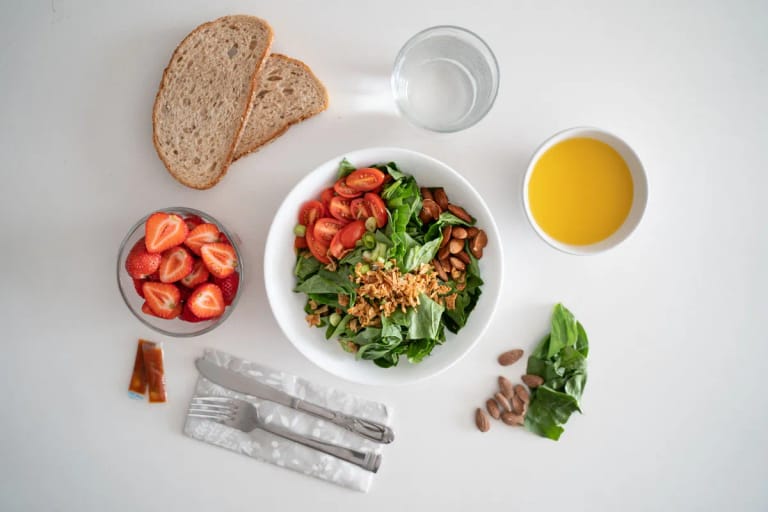
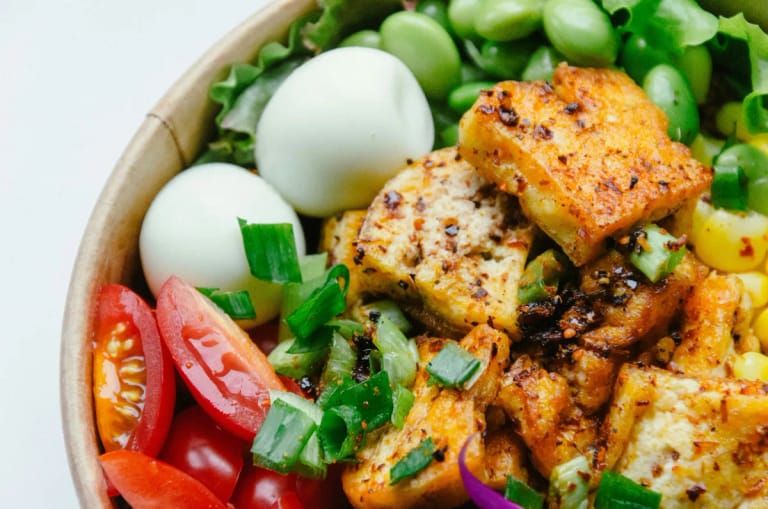
A balanced, satisfying meal with protein and fiber
02

Eat to Steady Hunger

Balanced meals reduce the swings that fuel cravings.
  • Build meals around protein, fiber, and whole foods.
  • Don't skip meals; hunger amplifies stress cravings.
  • Enjoy comfort foods intentionally, without guilt.
  • Avoid strict bans, which tend to backfire.
03

Interrupt Automatic Eating

A brief pause turns reflex into choice.
  • Pause and ask: am I physically hungry, or stressed?
  • If it's emotional, try a non-food option first.
  • Keep a short menu of coping tools: a walk, a call, breathing.
  • Eat slowly and notice fullness instead of eating on autopilot.

What's Really Going On

To make sense of stress eating, it helps to first clear away the cortisol myths. Cortisol is a hormone, not a toxin, and it does essential work: regulating blood sugar, blood pressure, metabolism, and your daily rhythm of waking and sleeping. Your body releases it in a carefully controlled pattern and brings it back down on its own. The viral idea that you need to "detox" or "lower" cortisol with special products or cleanses gets this exactly backwards. You can't flush out a hormone you depend on, and the supplements sold for it mostly lack good evidence. The thing actually worth addressing isn't cortisol the molecule; it's chronic stress, the prolonged pressure that keeps the whole stress response switched on.

Why Stress Reshapes Appetite

That chronic stress has real effects on how we eat. In short bursts, stress can suppress hunger, which is why a sudden crisis can kill your appetite. But sustained stress does the opposite: it tends to increase appetite and specifically pull cravings toward high-sugar, high-fat comfort foods. These foods can briefly dampen the stress response and feel genuinely soothing, which is exactly why they're so appealing under pressure. Disrupted sleep and emotional coping add to the effect. The key reframe is that stress eating isn't a character flaw or a failure of discipline. It's a built-in biological pattern, and treating it as such, with curiosity rather than shame, makes it far easier to change.

Cortisol isn't the enemy, and you can't 'detox' it. The real target is chronic stress and a calmer relationship with food, not a hormone your body needs.

What Genuinely Helps

Because the driver is stress and habit, that's where the solutions live. Lowering baseline stress through sleep, regular movement, and social connection eases the appetite changes at their source. Eating balanced, satisfying meals with protein and fiber smooths out the hunger swings that make cravings worse, while skipping meals or banning comfort foods tends to backfire and intensify them. Mindful eating, simply pausing to ask whether you're physically hungry or emotionally triggered, turns automatic eating into a choice. And having a few non-food coping tools ready, a walk, a phone call, a few slow breaths, gives stress somewhere else to go. None of this is dramatic, and that's the point: small, consistent steps quietly outperform any product promising to fix your cortisol.

Cortisol Myths vs Facts

Myths vs Facts

Myth

Cortisol is a harmful toxin you should flush out.

Hover to flipTap to flip
Fact
  • Cortisol is an essential hormone your body needs and self-regulates.
  • The real issue is chronic stress, not cortisol itself.
Myth

Supplements and detoxes can 'lower your cortisol.'

Hover to flipTap to flip
Fact
  • Most cortisol products are marketing with little evidence behind them.
  • Sleep, movement, and stress management influence stress far more.
Myth

Stress eating is just a lack of willpower.

Hover to flipTap to flip
Fact
  • Chronic stress biologically increases appetite and comfort-food cravings.
  • It's a wired-in response, best handled with strategy, not shame.
Myth

You should cut out comfort foods to stop stress eating.

Hover to flipTap to flip
Fact
  • Strict bans often increase cravings and feeling out of control.
  • Balance and non-food coping tools work better than restriction.

Resources and Tools

🌐

Harvard Health — Why Stress Causes People to Overeat

Website

A clear explanation of the stress-appetite connection and what helps.

🧠

Harvard Nutrition Source — Stress and Health

Website

Evidence-based guidance on stress, eating, and well-being.

Conclusion

The cortisol panic makes for catchy content, but it points people in the wrong direction. Cortisol is a vital, self-regulating hormone, not a toxin to detox, and the products promising to lower it are mostly marketing. What's real, and worth your attention, is that chronic stress genuinely changes how you eat, increasing appetite and steering you toward comfort foods through a wired-in biological response rather than any lack of willpower. The way forward isn't a supplement or a cleanse; it's lowering baseline stress through sleep, movement, and connection, eating balanced meals that steady your hunger, and building a few non-food ways to cope, all without guilt or rigid restriction. If stress eating feels overwhelming or out of control, a dietitian or mental-health professional can help you build a plan that fits your life.


Frequently Asked Questions

What is cortisol, and is it bad for me?

Cortisol is a hormone your body releases as part of the normal stress response, and it's essential, not bad. It helps regulate blood sugar, blood pressure, metabolism, and the sleep-wake cycle, and it rises naturally in the morning to help you wake up. The problem isn't cortisol itself but chronically elevated stress over long periods. Most of the alarm you see online treats normal cortisol as a villain, which misrepresents what is actually a vital, well-regulated hormone.

Are 'cortisol' trends and supplements legitimate?

Mostly not. The viral 'cortisol face,' detoxes, and supplements promising to 'lower cortisol' are largely marketing, not science. You can't meaningfully 'detox' a hormone your body needs and tightly regulates, and most products marketed for cortisol have little or no good evidence behind them. What genuinely influences chronic stress and cortisol are the unglamorous basics: sleep, movement, social connection, and stress management. Be skeptical of anything selling a quick cortisol fix.

Why does stress make me crave comfort food?

Stress shifts appetite in real, biological ways. Acute stress can suppress hunger briefly, but chronic stress tends to increase appetite and specifically drive cravings for high-sugar, high-fat 'comfort' foods, which can blunt stress signals and feel soothing in the moment. Cortisol and other stress chemicals play a role, as do disrupted sleep and emotional coping. So stress eating isn't a willpower failure; it's a wired-in response that makes calorie-dense foods especially appealing when you're under pressure.

Is stress eating always a problem?

Not necessarily. Occasionally turning to food for comfort is human and harmless. It becomes worth addressing when it's frequent, automatic, or your main way of coping, when you eat past fullness regularly, feel out of control, or use food to avoid emotions rather than hunger. The goal isn't to never eat for comfort, but to make sure food isn't your only tool. Building other ways to handle stress takes the pressure off eating to do that job.

What actually helps reduce stress eating?

The most effective approaches target stress and habits, not just food. Prioritizing sleep, regular movement, and social connection lowers baseline stress. Mindful eating, pausing to ask whether you're physically hungry or emotionally triggered, interrupts automatic eating. Keeping balanced, satisfying meals with protein and fiber reduces the hunger swings that fuel cravings. And building a small menu of non-food coping tools (a walk, a call, breathing) gives stress somewhere else to go. Small, consistent steps beat dramatic overhauls.

Should I cut out comfort foods to stop stress eating?

Usually not, and strict restriction often backfires. Banning specific foods tends to increase cravings and the sense of being out of control, which can make stress eating worse. A more effective approach is balance: enjoy comfort foods intentionally and without guilt, while building regular, satisfying meals and non-food coping strategies. The aim is a flexible, sustainable relationship with food, not a rigid set of forbidden items that you'll likely rebound against under stress.

Sources & References

Stress, Cortisol, and Eating Behavior (Harvard T.H. Chan, The Nutrition Source) nutritionsource.hsph.harvard.edu/stress-and-health/
1
Why Stress Causes People to Overeat (Harvard Health Publishing) www.health.harvard.edu/staying-healthy/why-stress-causes-people-to-overeat
2
Chronic Stress, Cortisol, and Obesity (Psychoneuroendocrinology Review, NIH) www.ncbi.nlm.nih.gov/pmc/articles/PMC5958156/
3

Similar Blogs

How Much Water Do You Really Need?
foundational-habits
How Much Water Do You Really Need?

An evidence-based look at hydration: where the 8-glasses myth came from, real fluid needs, the role of food and other drinks, signs of dehydration, and why more isn't always better.

Meal Prep for Beginners: A Realistic Starter Guide
meal-planning-prep
Meal Prep for Beginners: A Realistic Starter Guide

A practical, beginner-friendly guide to meal prep: the main styles, how to plan a week, safe storage, and how to start small so the habit lasts beyond the first Sunday.

Going Plant-Based Without Losing Protein
dietary-strategies
Going Plant-Based Without Losing Protein

A practical, evidence-based guide to plant-based protein: how much you need, the best plant sources, combining proteins, key nutrients to watch, and how to shift toward plants without coming up short.

Portion Sizes and Mindful Eating: A Practical Guide
foundational-habits
Portion Sizes and Mindful Eating: A Practical Guide

A practical guide to portion sizes and mindful eating: the difference between a portion and a serving, simple hand-based estimates, why portions have grown, and how slowing down helps you eat the right amount.

How to Read a Nutrition Label (Without Getting Fooled)
foundational-habits
How to Read a Nutrition Label (Without Getting Fooled)

A plain-language guide to reading nutrition labels: how serving sizes shape every number, the 5/15 percent Daily Value rule, added sugars, and how to see past front-of-package marketing.

Ultra-Processed Foods: What the Science Actually Says
dietary-strategies
Ultra-Processed Foods: What the Science Actually Says

An evidence-based look at ultra-processed foods: the NOVA classification, what the research links them to, why not all processing is bad, and practical ways to eat fewer of them.

Cutting Back on Sugar: A Practical, No-Guilt Guide
foundational-habits
Cutting Back on Sugar: A Practical, No-Guilt Guide

An evidence-based guide to reducing added sugar: the daily limits, why added sugar harms health while fruit doesn't, how to spot hidden sugar, and realistic ways to cut cravings.

Fiber: The Most Underrated Nutrient (A Complete Guide)
foundational-habits
Fiber: The Most Underrated Nutrient (A Complete Guide)

An evidence-based guide to dietary fiber: how much you need, soluble vs insoluble, why 90%+ of adults fall short, the real health benefits, and how to eat more comfortably.

How Much Protein Do You Really Need?
foundational-habits
How Much Protein Do You Really Need?

A practical, evidence-based guide to protein: how much you actually need, why active and older adults need more, how to spread it across the day, and when the protein craze goes overboard.

Sustainable Weight Loss: What Actually Works Long-Term
foundational-habits
Sustainable Weight Loss: What Actually Works Long-Term

An evidence-based guide to sustainable weight loss: why diets fail, the realistic pace that lasts, why even 5–10% matters, and the habits that make weight loss stick.