Going Plant-Based Without Losing Protein

How to eat more plants and still get enough high-quality protein

2026-06-25
📝1,288words
⏱️7min read
Dietary Strategies
#Plant Based#Protein#Legumes#Vegetarian#Everyday Nutrition

Plants and Protein

Interest in plant-based eating keeps growing, for health, environmental, and ethical reasons, but one worry comes up again and again: will I get enough protein? It's an understandable concern in a culture that closely associates protein with meat, and it's the single biggest hesitation people have about eating more plants. The good news is that the worry is largely unfounded. A thoughtfully built plant-based diet can meet protein needs for almost everyone, including very active people, as long as you do it with a little intention rather than simply subtracting animal foods.

That intention is the whole game. Going plant-based successfully isn't about removing meat and hoping for the best; it's about replacing it with protein-rich plant foods like legumes, soy, nuts, seeds, and whole grains, and eating enough variety to cover all your bases. A couple of old myths, that you must combine proteins at every meal, or that plant protein is inferior, have been set aside by the science. What remains is a practical, very doable approach.

This article covers how much protein you need, the best plant sources, why protein-combining is unnecessary, the nutrients worth watching beyond protein, and how to shift toward plants without coming up short.

The Core Framework

A spread of plant proteins: beans, lentils, tofu, nuts, and seeds

Replace, Don't Just Remove

Build plant-based meals around protein-rich plants, legumes, soy, nuts, seeds, and whole grains, eaten with variety across the day. Plan a B12 source and a few key nutrients, and protein takes care of itself.

A planned plant-based diet meets protein needs for nearly everyone.
Anchor meals with legumes or soy; add grains, nuts, and seeds.
Protein-combining at each meal is a myth; variety across the day is enough.

Key Insights

Tofu, tempeh, and edamame as soy protein sources
🌱

Replace Meat, Don't Just Cut It

Removing animal foods isn't enough; swap in protein-rich plants. Legumes, soy, nuts, seeds, and whole grains do the work that meat used to.

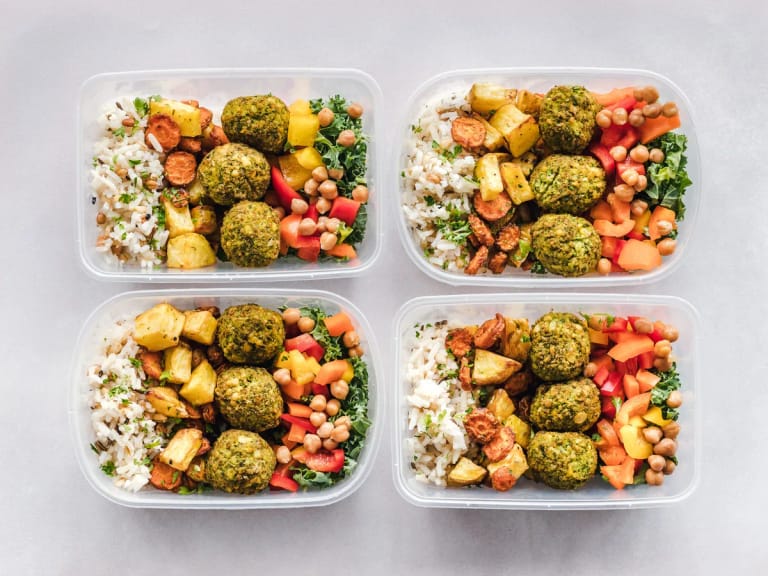
A varied plant-based grain bowl
🍲

Combining Is a Myth

You don't need to pair rice and beans at the same meal. Eat a variety of plant proteins across the day and your body assembles the amino acids it needs.

Fortified plant foods and a B12 supplement
💊

Watch B12 and a Few Others

Vitamin B12 needs a supplement or fortified foods on a fully plant-based diet. Iron, zinc, calcium, omega-3s, and vitamin D are also worth planning for.

Making the Shift

Moving toward plants without losing protein comes down to a few simple habits built around protein-rich plant foods and a little variety.

Cooking with tofu and legumes
01

Anchor Meals With Protein Plants

Start each meal from a protein-rich plant food.
  • Center meals on legumes (beans, lentils, chickpeas) or soy (tofu, tempeh).
  • Add whole grains like quinoa, oats, and farro for extra protein.
  • Include nuts and seeds as toppings and snacks.
  • Aim toward the higher end of protein needs to be safe.
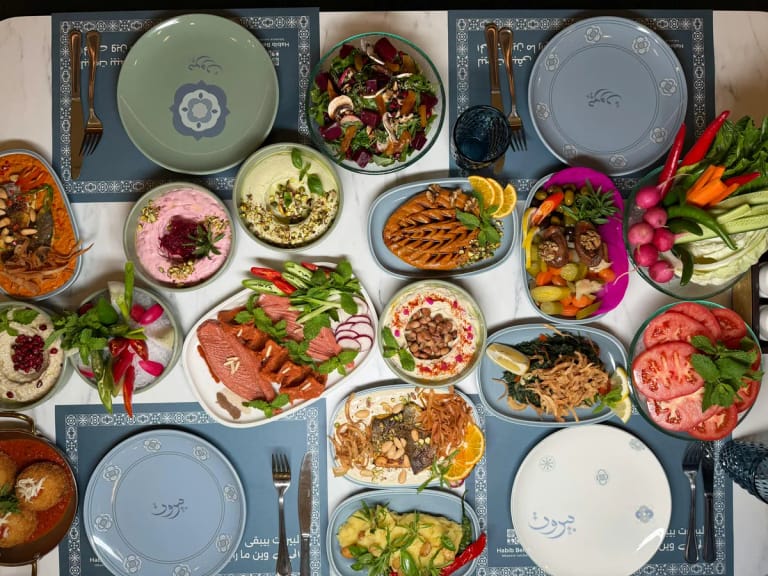
A varied plate of plant proteins
02

Eat Variety, Skip the Math

Across the day, variety covers all the amino acids.
  • Mix legumes, grains, nuts, and seeds over the day.
  • Don't bother combining proteins at every meal.
  • Spread protein across meals rather than one big serving.
  • Use soy foods often; they're complete, high-quality protein.
03

Cover the Key Nutrients

A few nutrients need a little planning beyond protein.
  • Take a B12 supplement or use fortified foods if fully plant-based.
  • Include iron-rich plants and pair with vitamin C for absorption.
  • Plan for calcium, zinc, omega-3s, and vitamin D.
  • Consider a dietitian's help to round out the plan.

Why Plant Protein Works

The protein worry around plant-based eating is mostly a leftover from outdated ideas, and clearing them up makes the whole approach feel far more doable. The first myth is that plant protein is simply inferior. In reality, plant foods provide all the essential amino acids; some individual foods are lower in one or two, but soy foods are complete and high quality on their own, and a varied diet easily supplies the full set. Plant proteins are used a little less efficiently than animal ones, which is why aiming toward the higher end of your protein target is a smart, simple adjustment rather than a cause for concern.

The Protein-Combining Myth

The second myth, that you must pair complementary proteins like rice and beans within a single meal, has been formally set aside. Your body keeps a circulating pool of amino acids and draws on it as needed, so the timing across a single meal doesn't matter. What matters is variety across the day. Eat legumes, whole grains, nuts, and seeds over the course of your meals and snacks, and you'll naturally take in every essential amino acid. This frees you from fussy meal math and lets you focus on the simpler goal of eating a range of protein-rich plants.

A planned plant-based diet meets protein needs for nearly everyone. The key is to replace meat with protein-rich plants, not just remove it.

Beyond Protein: The Nutrients to Plan For

Protein is actually the easy part; a few other nutrients deserve more attention. Vitamin B12 is the most important, because it isn't reliably present in plant foods, so anyone eating fully plant-based should use a supplement or fortified foods. Iron, zinc, calcium, omega-3 fats, and vitamin D are also worth planning for, since their plant sources can be absorbed less efficiently, pairing iron-rich plants with vitamin C, for instance, helps. None of this makes plant-based eating difficult; it just means being a little intentional. With protein covered by protein-rich plants and these nutrients on your radar, a plant-based diet is balanced, satisfying, and complete, and a dietitian can help you tailor it to your needs.

Plant Protein Myths vs Facts

Myths vs Facts

Myth

You can't get enough protein without meat.

Hover to flipTap to flip
Fact
  • A planned plant-based diet meets protein needs for nearly everyone.
  • Legumes, soy, nuts, seeds, and whole grains supply plenty.
Myth

You must combine proteins (like rice and beans) at every meal.

Hover to flipTap to flip
Fact
  • Your body pools amino acids, so timing within a meal doesn't matter.
  • Variety across the whole day provides all the essential amino acids.
Myth

Plant protein is always low quality and incomplete.

Hover to flipTap to flip
Fact
  • Soy foods are complete, high-quality protein on their own.
  • A varied diet supplies the full set of amino acids easily.
Myth

Going plant-based just means cutting out meat.

Hover to flipTap to flip
Fact
  • Removing meat isn't enough; you replace it with protein-rich plants.
  • Plan a B12 source and a few key nutrients to keep the diet complete.

Resources and Tools

🌐

Harvard Nutrition Source — Protein

Website

Evidence-based overview of protein needs and quality plant sources.

🥦

Academy of Nutrition and Dietetics — Vegetarian Diets

Website

Professional position on planning healthy, complete vegetarian diets.

Conclusion

The fear that going plant-based means falling short on protein is one of the most persistent myths in nutrition, and one of the easiest to put to rest. A thoughtfully planned plant-based diet meets protein needs for nearly everyone, as long as you replace animal foods with protein-rich plants, legumes, soy, nuts, seeds, and whole grains, rather than simply removing meat. Forget the old rules about combining proteins at every meal; variety across the day does the job. The real planning is around a few nutrients beyond protein, especially vitamin B12, plus iron, zinc, calcium, omega-3s, and vitamin D. Handle those, eat a colourful range of plants, and you'll have a diet that's complete, satisfying, and protein-secure. If you'd like help making the shift smoothly, a dietitian can build a plan around your tastes and goals.


Frequently Asked Questions

Can you really get enough protein on a plant-based diet?

Yes. A well-planned plant-based diet can easily meet protein needs for nearly everyone, including active people and athletes. The key word is planned: you do need to include protein-rich plant foods intentionally rather than just removing meat. Legumes, soy foods, whole grains, nuts, and seeds all contribute, and eating a variety across the day covers your needs comfortably. The idea that plant-based eating inevitably leaves you short on protein is outdated.

How much protein do I actually need?

A common baseline is about 0.8 grams of protein per kilogram of body weight per day, though many people, especially those who are active, older, or building muscle, do better with more, often in the range of 1.2 to 1.6 grams per kilogram. On a plant-based diet, aiming toward the higher end is sensible because plant proteins are slightly less efficiently used than animal ones. Spreading protein across meals, rather than loading it all at dinner, also helps your body use it well.

What are the best plant-based protein sources?

The richest are legumes (beans, lentils, chickpeas), soy foods (tofu, tempeh, edamame, soy milk), and seitan, with meaningful amounts also in nuts, seeds, and whole grains like quinoa and oats. Soy foods are especially valuable because they provide complete, high-quality protein comparable to animal sources. Building meals around a legume or soy food and adding grains, nuts, and seeds throughout the day makes hitting your target straightforward.

Do I need to combine proteins at every meal?

No, this is an old myth. The idea that you must carefully pair foods like rice and beans at the same meal to make a 'complete' protein has been set aside. Your body maintains a pool of amino acids, so as long as you eat a variety of plant proteins across the day, you'll get all the essential amino acids you need. Eat a range of legumes, grains, nuts, and seeds over the course of a day and the combining takes care of itself.

Which nutrients besides protein should I watch on a plant-based diet?

A few deserve attention. Vitamin B12 is the big one, it's not reliably found in plant foods, so anyone fully plant-based should supplement or use fortified foods. Iron, zinc, calcium, omega-3s, and vitamin D are also worth planning for, since plant sources can be less easily absorbed. None of this is a dealbreaker; a varied diet plus a B12 source and attention to these nutrients keeps a plant-based diet well-rounded. A dietitian can help you cover the bases.

Are protein powders necessary to go plant-based?

Not for most people. Whole plant foods can supply all the protein you need, and they bring fiber, vitamins, and minerals along with it. A plant-based protein powder (pea, soy, or a blend) can be a convenient tool if you're very active, struggle to eat enough, or want an easy post-workout option, but it's an add-on, not a requirement. Food first is the better default, with powders filling genuine gaps rather than replacing meals.

Sources & References

Protein (Harvard T.H. Chan, The Nutrition Source) nutritionsource.hsph.harvard.edu/what-should-you-eat/protein/
1
Vegetarian Diets: Position of the Academy of Nutrition and Dietetics www.eatrightpro.org/practice/position-and-practice-papers/position-papers/vegetarian-diets
2
Plant Proteins and Protein Quality (NIH, Nutrients) www.ncbi.nlm.nih.gov/pmc/articles/PMC6893534/
3

Similar Blogs

Cortisol and Stress Eating: Separating Hype From Science
brain-mental-health
Cortisol and Stress Eating: Separating Hype From Science

An evidence-based look at cortisol and stress eating: what cortisol actually is, why 'cortisol' trends are mostly hype, how stress affects appetite and cravings, and practical, realistic ways to cope.

How Much Water Do You Really Need?
foundational-habits
How Much Water Do You Really Need?

An evidence-based look at hydration: where the 8-glasses myth came from, real fluid needs, the role of food and other drinks, signs of dehydration, and why more isn't always better.

Meal Prep for Beginners: A Realistic Starter Guide
meal-planning-prep
Meal Prep for Beginners: A Realistic Starter Guide

A practical, beginner-friendly guide to meal prep: the main styles, how to plan a week, safe storage, and how to start small so the habit lasts beyond the first Sunday.

Portion Sizes and Mindful Eating: A Practical Guide
foundational-habits
Portion Sizes and Mindful Eating: A Practical Guide

A practical guide to portion sizes and mindful eating: the difference between a portion and a serving, simple hand-based estimates, why portions have grown, and how slowing down helps you eat the right amount.

How to Read a Nutrition Label (Without Getting Fooled)
foundational-habits
How to Read a Nutrition Label (Without Getting Fooled)

A plain-language guide to reading nutrition labels: how serving sizes shape every number, the 5/15 percent Daily Value rule, added sugars, and how to see past front-of-package marketing.

Ultra-Processed Foods: What the Science Actually Says
dietary-strategies
Ultra-Processed Foods: What the Science Actually Says

An evidence-based look at ultra-processed foods: the NOVA classification, what the research links them to, why not all processing is bad, and practical ways to eat fewer of them.

Cutting Back on Sugar: A Practical, No-Guilt Guide
foundational-habits
Cutting Back on Sugar: A Practical, No-Guilt Guide

An evidence-based guide to reducing added sugar: the daily limits, why added sugar harms health while fruit doesn't, how to spot hidden sugar, and realistic ways to cut cravings.

Eating for Longevity: How Food Supports Healthy Aging
healthy-living
Eating for Longevity: How Food Supports Healthy Aging

A practical, evidence-based guide to eating for a long, healthy life: the Blue Zones pattern, why beans and plants matter, the role of protein and muscle, and how to age well through food.

Fiber: The Most Underrated Nutrient (A Complete Guide)
foundational-habits
Fiber: The Most Underrated Nutrient (A Complete Guide)

An evidence-based guide to dietary fiber: how much you need, soluble vs insoluble, why 90%+ of adults fall short, the real health benefits, and how to eat more comfortably.

Nutrition on GLP-1 Medications: A Clinical Overview
clinical-nutrition
Nutrition on GLP-1 Medications: A Clinical Overview

An evidence-based overview of nutrition while taking GLP-1 medications: why protein and muscle matter, managing side effects, avoiding nutrient gaps, and why a dietitian is key to lasting results.