Ultra-Processed Foods: What the Science Actually Says

What 'ultra-processed' means, why it matters, and how to cut back without fear

2026-06-25
📝1,278words
⏱️7min read
Dietary Strategies
#Ultra Processed Foods#Food Processing#Whole Foods#Chronic Disease#Everyday Nutrition

Ultra-Processed Foods

Few nutrition topics have moved from academic journals to everyday conversation as fast as ultra-processed foods. The term is suddenly everywhere, on packaging, in headlines, and across social media, often paired with alarm. And there's real substance behind the attention: a growing body of research links diets heavy in ultra-processed products to higher rates of obesity, diabetes, heart disease, and more. At the same time, the conversation has picked up plenty of confusion, with "processed" sometimes treated as a single scary category when it's really a wide spectrum.

The reassuring truth is that you don't need to fear processing itself. Freezing vegetables, canning beans, fermenting yogurt, and baking whole-grain bread are all processing, and all perfectly healthy. The specific concern is with ultra-processed products, the industrial formulations built from extracted ingredients and additives, designed to be cheap, convenient, and very easy to overeat. Understanding the difference lets you respond to the evidence sensibly rather than anxiously.

This article explains what "ultra-processed" actually means, what the science links these foods to, why they may drive overeating, and how to cut back in a realistic, guilt-free way.

The Core Framework

A spectrum from whole foods to ultra-processed packaged products

Mostly Whole, Less Ultra-Processed

Processing is a spectrum. Minimally processed staples are healthy; the concern is ultra-processed products. Aim to make whole foods the base and ultra-processed foods the exception.

Ultra-processed means industrial formulations with additives and little whole food.
Minimally processed foods (frozen veg, plain yogurt, canned beans) are healthy.
Aim for patterns, not perfection: whole foods most of the time.

Key Insights

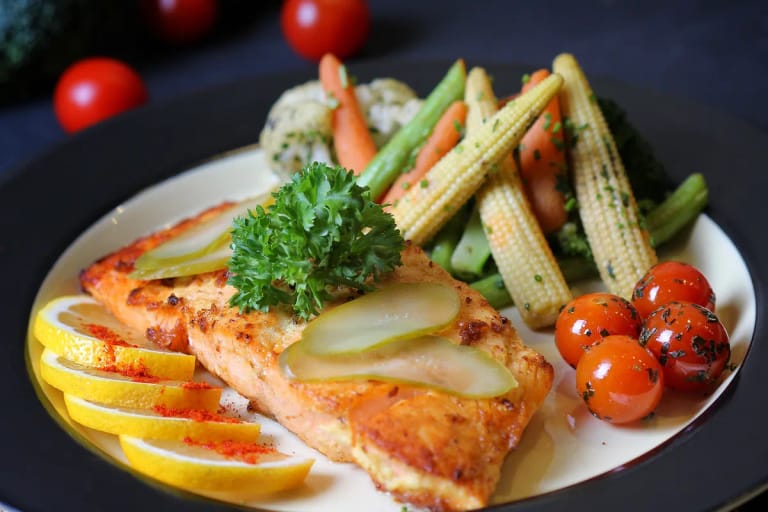
Minimally processed foods like frozen vegetables, yogurt, and canned beans
📊

Processing Is a Spectrum

Washing, freezing, and fermenting are processing too, and they're fine. The issue is ultra-processed products, not minimally processed staples like beans or yogurt.

An array of packaged ultra-processed snacks
🔬

The Evidence Is Consistent

Large reviews link high intake to obesity, diabetes, heart disease, and earlier death. In a controlled trial, people ate about 500 extra calories a day on an ultra-processed diet.

A long additive-heavy ingredient list on a package
🍩

They're Easy to Overeat

Energy-dense, soft, low in fiber and protein, and engineered to be hyper-palatable, ultra-processed foods make it easy to eat more without feeling fuller.

Cutting Back Realistically

You don't need to eliminate ultra-processed foods, just shift the balance toward whole foods with a few practical habits.

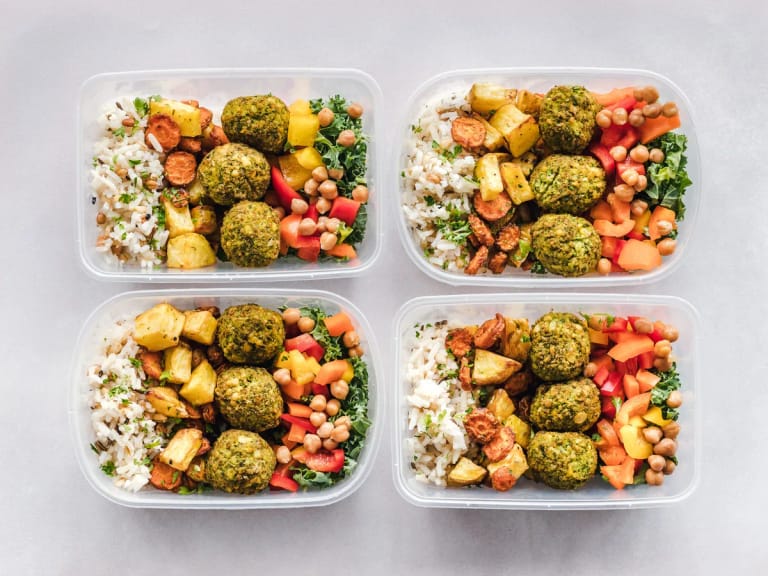
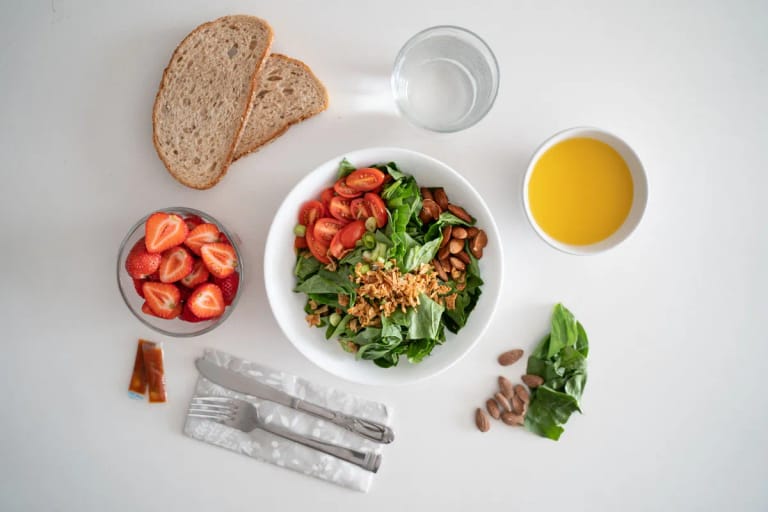
Whole and minimally processed foods on a counter
01

Build From Whole Foods

Make minimally processed foods the foundation of meals.
  • Anchor meals with vegetables, fruit, legumes, whole grains, and simple proteins.
  • Use healthy minimally processed staples: plain yogurt, frozen veg, canned beans.
  • Cook a little more at home, where you control the ingredients.
  • Keep easy whole-food snacks visible: fruit, nuts, plain popcorn.
Reading an ingredient list at the store
02

Read the Ingredient List

It's the quickest way to gauge how processed something is.
  • Favour short lists of recognizable ingredients.
  • Be cautious with long lists full of additives you don't cook with.
  • Watch for sweeteners, hydrogenated oils, isolates, and artificial flavours.
  • Don't memorize categories; just look for food that resembles real food.
03

Aim for Patterns, Not Perfection

Overall habits matter far more than any single food.
  • Treat ultra-processed foods as a smaller part of the week, not forbidden.
  • Make easy swaps where you can without feeling deprived.
  • Don't feel guilt over an occasional packaged snack.
  • Focus on adding whole foods, not just removing others.

Making Sense of the Science

The surge of interest in ultra-processed foods is justified, but it's easy to lose the nuance in the noise. The clearest way to think about it is the NOVA framework, which sorts foods by how much industrial processing they've undergone rather than just by nutrients. Group 1 is unprocessed or minimally processed foods like fruit, eggs, and plain milk. Groups 2 and 3 cover culinary ingredients and simple processed foods. Group 4, ultra-processed, is the one that matters here: industrial formulations of extracted substances and additives, with little recognizable whole food left. The key insight is that processing isn't the enemy. Freezing and fermenting are processing, and they're healthy. It's the ultra-processed end of the spectrum that the evidence flags.

What the Research Shows, and Doesn't

The body of evidence is substantial. Large umbrella reviews have tied higher ultra-processed intake to greater risk of obesity, type 2 diabetes, cardiovascular disease, and earlier death. Most of this is observational, which means it shows strong, consistent associations rather than proving that every product directly causes harm. But there's also a striking controlled experiment: when people were fed an ultra-processed diet versus a minimally processed one matched for nutrients, they ate roughly 500 more calories a day on the ultra-processed version and gained weight. That suggests something about these foods themselves, not just the nutrients on their labels, drives overeating.

Processing isn't the problem. Frozen vegetables and plain yogurt are processed and healthy. The evidence points specifically at the ultra-processed end of the spectrum.

Why They're So Easy to Overeat

The likely culprits are structural. Ultra-processed foods tend to be energy-dense and soft, so they're quick to eat and easy to consume in large amounts before fullness registers. They're engineered for maximum palatability, combining salt, sugar, fat, and texture in ways that are hard to stop eating. And relative to their calories, they're often low in fiber and protein, the very things that make food filling. None of this means you must banish them. They're convenient and affordable, and an occasional one is harmless. The realistic goal is to make whole and minimally processed foods the base of your diet and let ultra-processed products be the smaller part, responding to the evidence with balance rather than fear or guilt.

Processed Food Myths vs Facts

Myths vs Facts

Myth

All processed food is unhealthy.

Hover to flipTap to flip
Fact
  • Processing is a spectrum; freezing, canning, and fermenting are healthy.
  • The concern is ultra-processed products, not minimally processed staples.
Myth

Ultra-processed foods are bad only because of calories or sugar.

Hover to flipTap to flip
Fact
  • Their structure, soft, energy-dense, low in fiber, drives overeating too.
  • A controlled trial showed about 500 extra calories a day on an ultra-processed diet.
Myth

You have to eliminate ultra-processed foods entirely.

Hover to flipTap to flip
Fact
  • The evidence is about overall patterns, not any single food.
  • Whole foods most of the time, with ultra-processed as a smaller part, is the goal.
Myth

You need lab tests to know how processed a food is.

Hover to flipTap to flip
Fact
  • The ingredient list tells you most of what you need.
  • Long lists of additives signal ultra-processing; short lists usually don't.

Resources and Tools

🌐

Harvard Nutrition Source — Processed Foods

Website

Clear explanation of the processing spectrum and what the evidence shows.

🔬

BMJ — Ultra-Processed Foods and Health (Umbrella Review)

Research

A large review summarizing health outcomes linked to ultra-processed foods.

Conclusion

Ultra-processed foods deserve the attention they're getting, but the right response is perspective, not panic. Processing itself isn't the problem; frozen vegetables, plain yogurt, and canned beans are processed and genuinely good for you. The evidence points specifically at ultra-processed products, the industrial formulations engineered to be cheap, hyper-palatable, and easy to overeat, and it links diets heavy in them to real health risks. The practical takeaway is simple and freeing: make whole and minimally processed foods the foundation of most meals, use the ingredient list as your guide, and let ultra-processed foods be a smaller, guilt-free part of the picture. Aim for patterns, not perfection, and if you'd like help building a realistic plan around your life and budget, a dietitian can guide you.


Frequently Asked Questions

What exactly is an ultra-processed food?

Ultra-processed foods are industrial formulations made mostly from substances extracted or derived from foods, plus additives like emulsifiers, sweeteners, and flavourings, with little or no whole food left. The most widely used framework, NOVA, sorts foods into four groups, from unprocessed and minimally processed (group 1) to ultra-processed (group 4). Typical examples include soft drinks, packaged snacks, instant noodles, many breakfast cereals, reconstituted meats, and most commercial baked goods. A useful clue is a long ingredient list full of items you wouldn't use in a home kitchen.

Is all processed food bad for me?

No, and this is the most common misunderstanding. Processing is a spectrum. Washing, freezing, canning, fermenting, and basic cooking are forms of processing that are perfectly healthy, frozen vegetables, plain yogurt, canned beans, and whole-grain bread are all processed to some degree and can be excellent choices. The concern is specifically with ultra-processed products, not with minimally processed staples. The goal isn't to fear processing itself, but to lean toward whole and minimally processed foods most of the time.

What does the research actually link them to?

Large reviews have linked higher consumption of ultra-processed foods to greater risk of obesity, type 2 diabetes, heart disease, and earlier death, among other outcomes. One tightly controlled trial found people ate about 500 more calories a day on an ultra-processed diet than a minimally processed one with matched nutrients, and gained weight. Much of the evidence is observational, so it shows strong associations rather than proving every product causes harm, but the pattern is consistent enough to take seriously.

Why might ultra-processed foods drive overeating?

Several features seem to matter. They're often energy-dense, soft, and quick to eat, which lets you consume a lot before fullness catches up. They're engineered to be highly palatable, hitting combinations of salt, sugar, fat, and texture that are easy to overeat. They also tend to be low in fiber and protein relative to calories, so they're less filling. Together these traits make it easy to eat more than you intend without feeling more satisfied.

Do I have to give them up completely?

No. An all-or-nothing approach is neither realistic nor necessary. These foods are convenient, affordable, and woven into modern life, and an occasional packaged snack won't undo a good diet. The evidence points to overall patterns, so the practical aim is to make whole and minimally processed foods the foundation of most meals and treat ultra-processed products as a smaller part of the picture, rather than chasing perfection or feeling guilt over any single food.

How can I tell how processed a food is at the store?

The ingredient list is your best tool. Whole and minimally processed foods have short lists of recognizable ingredients, or none at all. Ultra-processed products tend to have long lists with additives like high-fructose corn syrup, hydrogenated oils, protein isolates, emulsifiers, and artificial flavours or colours. You don't need to memorize NOVA categories, just favour foods that look close to how they grow or are traditionally made, and be a little more cautious with products that read like a chemistry set.

Sources & References

Ultra-Processed Foods, Diet Quality, and Health (Harvard T.H. Chan, The Nutrition Source) nutritionsource.hsph.harvard.edu/processed-foods/
1
Ultra-Processed Foods and Health Outcomes: An Umbrella Review (BMJ, 2024) www.bmj.com/content/384/bmj-2023-077310
2
Ultra-Processed Diets Cause Excess Calorie Intake and Weight Gain (NIH, Cell Metabolism) www.cell.com/cell-metabolism/fulltext/S1550-4131(19)30248-7
3

Similar Blogs

Cortisol and Stress Eating: Separating Hype From Science
brain-mental-health
Cortisol and Stress Eating: Separating Hype From Science

An evidence-based look at cortisol and stress eating: what cortisol actually is, why 'cortisol' trends are mostly hype, how stress affects appetite and cravings, and practical, realistic ways to cope.

How Much Water Do You Really Need?
foundational-habits
How Much Water Do You Really Need?

An evidence-based look at hydration: where the 8-glasses myth came from, real fluid needs, the role of food and other drinks, signs of dehydration, and why more isn't always better.

Meal Prep for Beginners: A Realistic Starter Guide
meal-planning-prep
Meal Prep for Beginners: A Realistic Starter Guide

A practical, beginner-friendly guide to meal prep: the main styles, how to plan a week, safe storage, and how to start small so the habit lasts beyond the first Sunday.

Going Plant-Based Without Losing Protein
dietary-strategies
Going Plant-Based Without Losing Protein

A practical, evidence-based guide to plant-based protein: how much you need, the best plant sources, combining proteins, key nutrients to watch, and how to shift toward plants without coming up short.

Portion Sizes and Mindful Eating: A Practical Guide
foundational-habits
Portion Sizes and Mindful Eating: A Practical Guide

A practical guide to portion sizes and mindful eating: the difference between a portion and a serving, simple hand-based estimates, why portions have grown, and how slowing down helps you eat the right amount.

How to Read a Nutrition Label (Without Getting Fooled)
foundational-habits
How to Read a Nutrition Label (Without Getting Fooled)

A plain-language guide to reading nutrition labels: how serving sizes shape every number, the 5/15 percent Daily Value rule, added sugars, and how to see past front-of-package marketing.

Cutting Back on Sugar: A Practical, No-Guilt Guide
foundational-habits
Cutting Back on Sugar: A Practical, No-Guilt Guide

An evidence-based guide to reducing added sugar: the daily limits, why added sugar harms health while fruit doesn't, how to spot hidden sugar, and realistic ways to cut cravings.

Fiber: The Most Underrated Nutrient (A Complete Guide)
foundational-habits
Fiber: The Most Underrated Nutrient (A Complete Guide)

An evidence-based guide to dietary fiber: how much you need, soluble vs insoluble, why 90%+ of adults fall short, the real health benefits, and how to eat more comfortably.

How Much Protein Do You Really Need?
foundational-habits
How Much Protein Do You Really Need?

A practical, evidence-based guide to protein: how much you actually need, why active and older adults need more, how to spread it across the day, and when the protein craze goes overboard.

Sustainable Weight Loss: What Actually Works Long-Term
foundational-habits
Sustainable Weight Loss: What Actually Works Long-Term

An evidence-based guide to sustainable weight loss: why diets fail, the realistic pace that lasts, why even 5–10% matters, and the habits that make weight loss stick.