Summers here get genuinely hot and humid, whether you're at the lake, on a trail, or just walking on a 30-degree day. Hydration matters more in the heat, and electrolyte products are everywhere promising to help. Here's a dietitian's take on what you actually need. This is general education, not individual medical advice.
Hydration in the heat, explained
When it's hot, you lose more fluid, and some electrolytes, through sweat. Knowing the basics helps you tell real needs from marketing.
You lose more fluid when you sweat
Heat and activity increase sweating, so your fluid needs go up in summer. Thirst is a decent guide, but during long, hot, active days it's easy to fall behind.
Electrolytes are minerals you lose in sweat
Sodium, potassium and others leave your body in sweat. For most everyday situations, normal food and water replace them just fine, so they're not something most people need to buy.
When electrolytes genuinely help
Prolonged, intense, sweaty activity (long runs, hours of sport in the heat) or illness with fluid loss are the situations where replacing electrolytes matters more. For a casual day, water is usually enough.
Staying hydrated through a hot summer
Simple, no-gimmick habits for the heat.
- Drink regularly, don't wait for thirst. On hot or active days, sip steadily rather than catching up later, and carry a water bottle to the lake, trail or market.
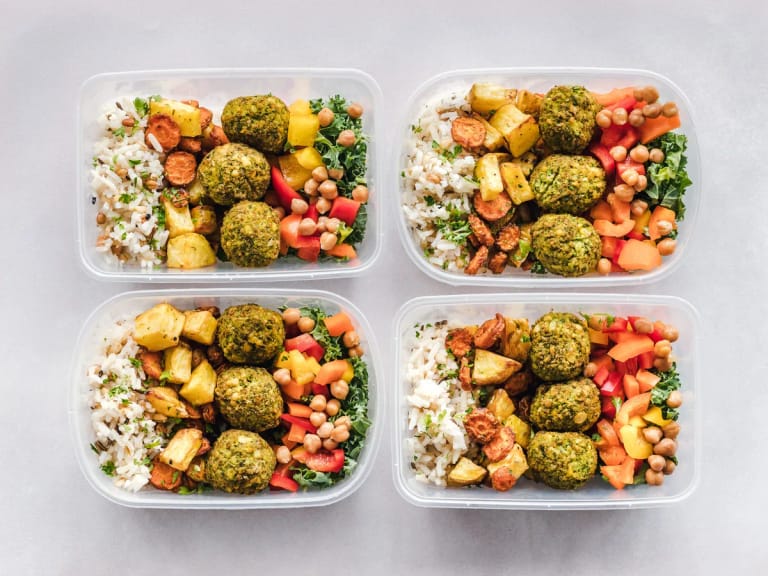
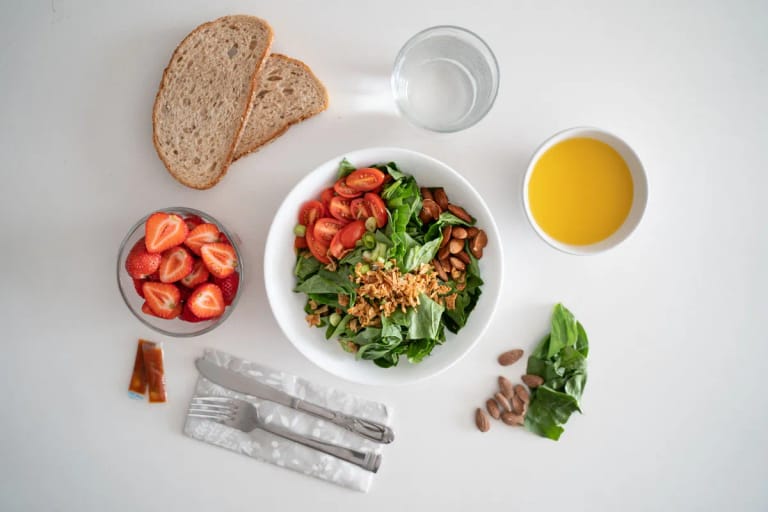
- Eat your water too. Summer produce like watermelon, cucumber, berries and tomatoes is high in water and adds to your hydration.
- Watch alcohol and lots of caffeine. Both can work against hydration, so alternate patio drinks and iced coffees with water.
- Add a little salt naturally if you're sweating hard. For long, sweaty activity, normal salted food often covers electrolyte needs without a special product.
- Check your signs. Pale-yellow urine and feeling well are good signs; dark urine, headache or dizziness mean you need more fluid.
- Plan ahead for big days. Cottage days, festivals, long hikes: bring more water than you think you'll need.
Electrolyte drinks and powders
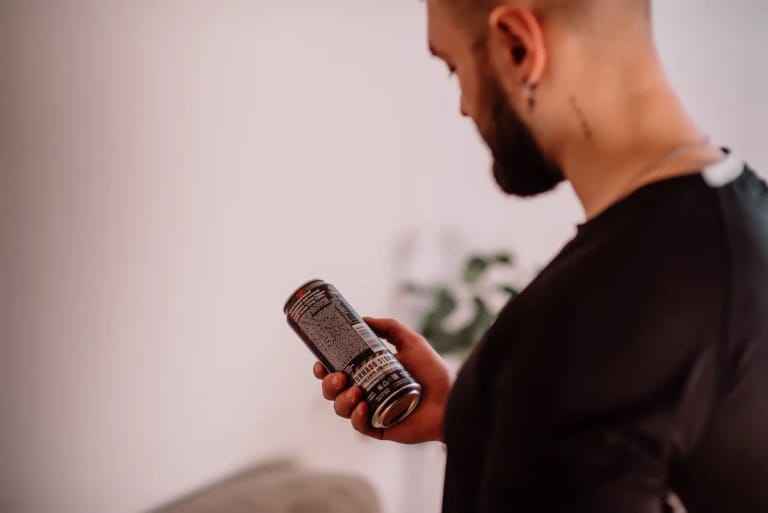
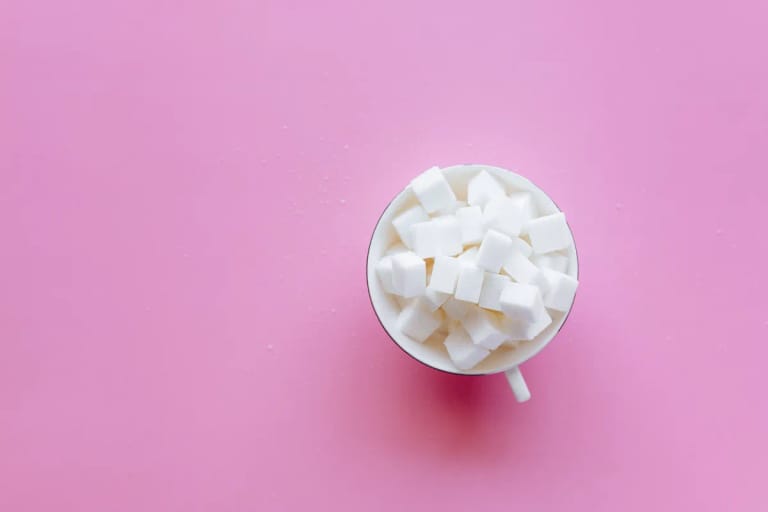
Electrolyte drinks and powders are heavily marketed as everyday essentials, but most people replace what they sweat out through normal food and water. They earn their place during long, intense, sweaty activity or when you're losing fluids through illness. Many also carry added sugar, so for a regular hot day, water is usually the better and cheaper choice.
Signs of heat illness: act on these
Hydration is part of staying safe in the heat, but heat illness is a medical issue. Take these seriously.
- Dizziness, confusion, or fainting in the heat.
- Nausea, headache, or muscle cramps that don't ease with rest and fluids.
- Stopping sweating, very hot dry skin, or a rapid heartbeat.
- Dark urine with little output despite drinking.
- Any concern in a child, older adult, or someone with a health condition, since these groups are more vulnerable to the heat.
Heat exhaustion and heat stroke are medical emergencies. Get out of the heat, cool down, and seek medical help for severe or worsening symptoms. Hydration helps prevent heat illness, but it doesn't replace medical care once it sets in.
Common questions
- How much water do I need in summer?
- More than in cooler months, because heat and sweating increase fluid losses, but there's no single number for everyone. Sip regularly rather than waiting for thirst, eat water-rich produce, and check that your urine is pale yellow. On hot or active days, plan to drink more than usual.
- Do I need electrolyte drinks in the heat?
- Usually not for a normal day, since water plus regular meals replaces what most people sweat out. Electrolytes matter more during prolonged, intense, sweaty activity (long runs, hours of sport) or when you're losing fluids through illness. Many electrolyte products also contain added sugar, so water is often the better everyday choice.
- Can I hydrate with food?
- Yes. Summer produce like watermelon, cucumber, berries, tomatoes and leafy greens is high in water and adds to your hydration, alongside what you drink. It's a nice bonus of eating seasonally in summer, not a replacement for drinking fluids on hot days.
- Can a dietitian help with hydration and summer eating?
- Yes. A registered dietitian can tailor hydration and fuelling to your activity, health and the demands of a hot summer, and cut through electrolyte-product hype. If you'd like personalized guidance, you can book a consultation with our team.
Want personalized advice?
Speak to a registered dietitian about your own situation — your first consultation is free.
Speak to a dietitian for freeYour first consultation is on us.
From your dietitianOn most hot days, water and water-rich summer foods are all you need. Save the electrolyte powders for the long, sweaty efforts that actually call for them.
Rana Daoud, R.D.