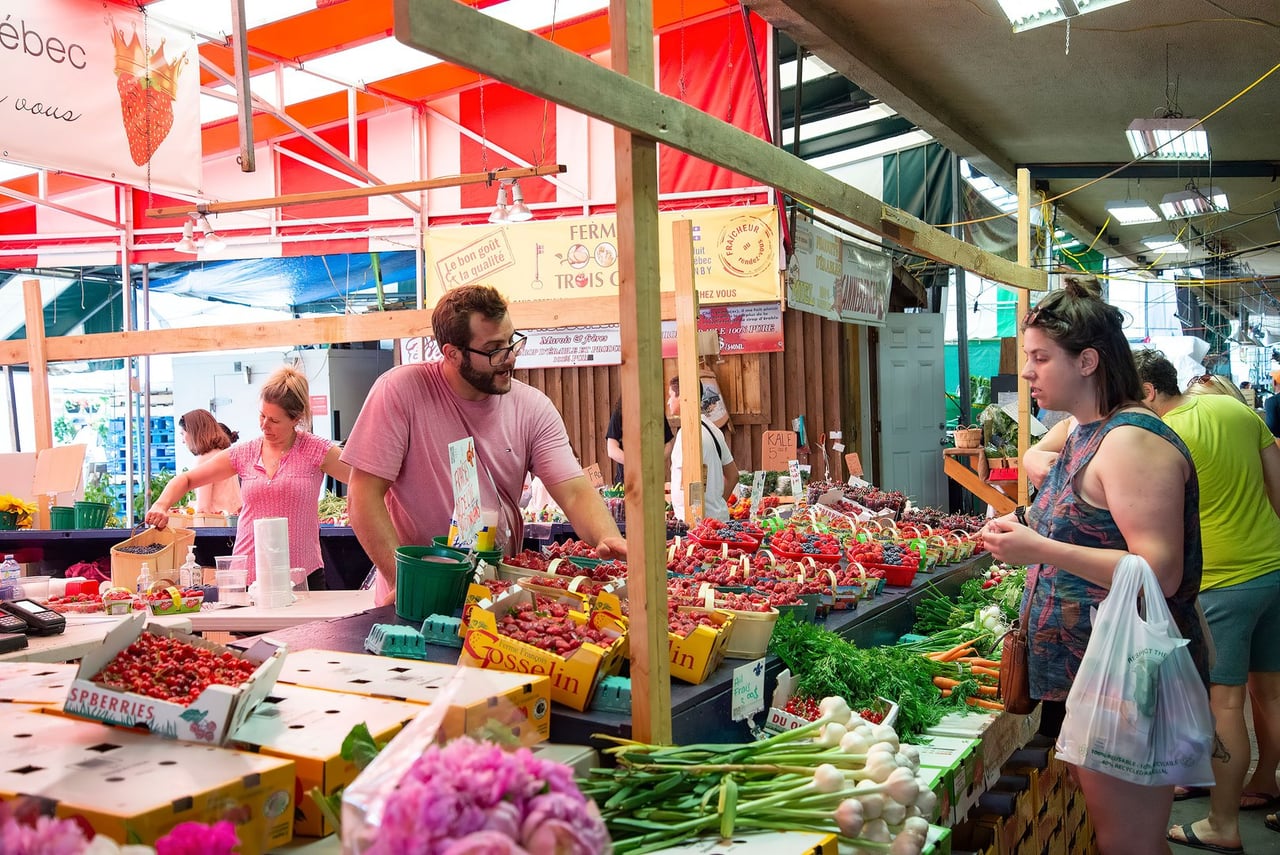
From late spring through fall, farmers' markets across Ontario and Québec fill up with local produce at its peak, and the Ottawa-Gatineau region has plenty to choose from. Beyond being a lovely outing, market season is one of the easiest ways to eat more vegetables and fruit. Here's a dietitian's guide to making the most of it. This is general education, not individual medical advice.
Why market season is a nutrition win
Eating with the seasons nudges you toward more produce, more variety, and food at its best.
Peak-season produce, peak appeal
Fruit and vegetables picked in season and sold locally are often at their freshest and most flavourful, which makes it easier (and more enjoyable) to eat more of them.
Variety comes naturally
Markets rotate with what's ripe, so shopping them through the season nudges you to eat a wider range of vegetables and fruit, which supports overall nutrition and gut health.
It builds a good habit
A weekly market trip is a simple, repeatable way to keep your fridge stocked with vegetables and fruit, the foundation of balanced eating.
Shopping and eating the market well
Practical ways to turn a market haul into great everyday meals.
- Shop with a loose plan. A few meals in mind keeps you from over-buying, while leaving room to grab what looks best.
- Buy a rainbow. Different colours mean different nutrients, so aim for variety across the week. Markets make it easy.
- Ask the growers. Vendors know what's at its peak and how to cook it, which is the easiest way to try something new.
- Plan for storage. Eat the most delicate items (berries, greens, tomatoes) first, and freeze or cook a glut before it turns.
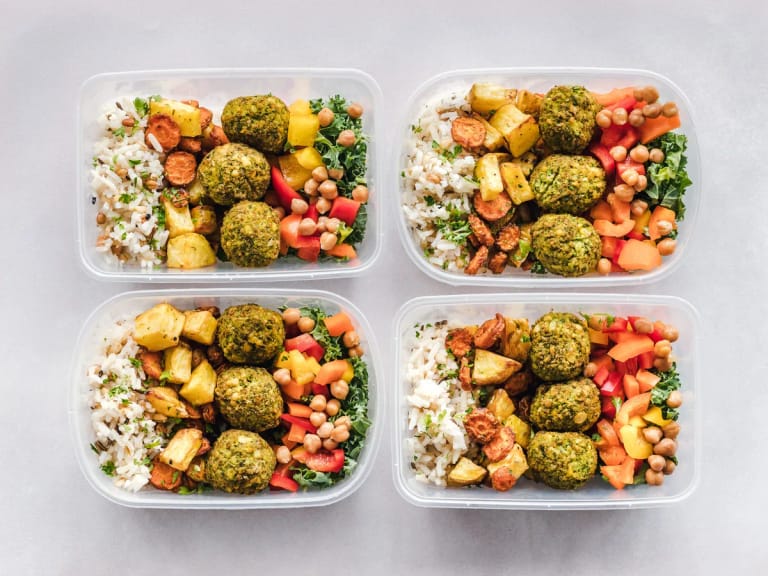
- Add a protein and a whole grain. Pair market vegetables with a protein and a fibre-rich grain for balanced plates all week.
- Keep it simple. Peak-season produce needs little: grilled, roasted, or raw with good olive oil is often best.
A few markets around the region
Farmers' markets run across the region through the season. Here are a few well-known ones to start with. Hours and dates vary, so check before you go.
Ottawa's historic market, with fresh produce stalls in the warmer months, in the heart of downtown.
📍 ByWard Market, Ottawa ONView on Google MapsA popular weekend market at Lansdowne with local growers and producers.
📍 Lansdowne, Ottawa ONView on Google MapsPublic markets on the Québec side bring Outaouais-area growers and local food together.
📍 Gatineau QCView on Google MapsCommon questions
- Is farmers' market produce healthier?
- Produce eaten in season and locally is often at its freshest and most flavourful, which makes it easier and more enjoyable to eat more vegetables and fruit. The bigger nutrition win is simply that market season nudges you toward more produce and more variety, both of which support overall health.
- How do I keep market produce from going bad?
- Eat the most delicate items first (berries, leafy greens, tomatoes), store things properly, and if you've bought a glut, freeze or batch-cook it before it turns. Buying with a few meals loosely in mind also helps you avoid over-buying in the first place.
- How do I build meals around market vegetables?
- Pair them with a protein (chicken, fish, legumes, tofu, eggs) and a fibre-rich whole grain for a balanced plate. Peak-season produce often needs very little, whether grilled, roasted, or raw with good olive oil. A variety of colours across the week covers a broad range of nutrients.
- Can a dietitian help me eat more vegetables and seasonally?
- Yes. A registered dietitian can help you build realistic, balanced meals around seasonal produce, work more vegetables and variety into your week, and make market shopping translate into easy everyday eating. If you'd like that support, you can book a consultation with our team.
Want personalized advice?
Speak to a registered dietitian about your own situation — your first consultation is free.
Speak to a dietitian for freeYour first consultation is on us.
From your dietitianA weekly market trip is one of the simplest ways to eat more vegetables: local, in season, and at their best. Let the produce do the work.
Rana Daoud, R.D.